





Collecting Figurative: A Guide to Small-Scale Masterpieces
There is a special intimacy in collecting small sculptures. Unlike a monumental bust or a large painting that commands a room from afar, a figurine invites close inspection. It is meant to be held, turned in the light, and appreciated in quiet moments. According to a recent study by University College London, engaging with art activates the same neural pathways as falling in love. With figurative sculpture, that connection often begins the moment you hold it in your hands.
But whether you are drawn to a patinated bronze, a delicate terracotta, or a modernist abstract form, knowing what to look for can make all the difference. Our curators have assembled this guide to help you find the small-scale work you will treasure for years to come.
If you have already made your decision and completed the purchase, be sure to read our post on how to display and care for your new sculpture.
How to Start
- Decode the Details
- Examine Craftsmanship & Materials
- Find Its Place in Your Home
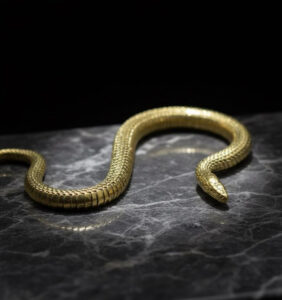
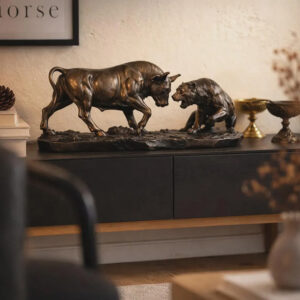
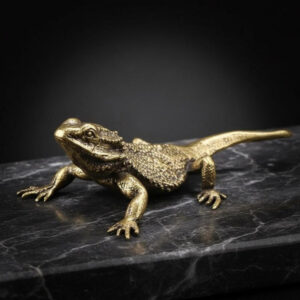


Decode the Details
Every artwork page on Saatchi Art contains detailed information. When considering a figurine or small sculpture, here is what to focus on.
First, check the dimensions carefully. Small sculptures are often described with precise measurements: height, width, and depth. Unlike a framed work on paper, a figurine occupies three-dimensional space. Pay attention to the scale—a 6-inch bronze might be perfect for a bookshelf, while a 20-inch piece demands a console table or pedestal. To visualize how the piece will look in your space, use the “View in Room” feature or simply take a tape measure to the intended spot.
Next, examine the material and medium. The listing will specify the material—bronze, marble, terracotta, resin, or mixed media. Each has its own characteristics:
- Bronze: Often described with terms like “lost-wax casting” (a traditional method ensuring fine detail) and “patina” (the surface coloration, which can range from deep brown to green).
- Terracotta or Ceramic: Look for notes on glazing, firing, and any repairs or restorations.
- Marble or Stone: Pay attention to whether the piece is carved from a single block or assembled.
Understand the edition. If the work is a bronze, it may be part of a limited edition. The listing will indicate the edition number (e.g., “3/12”) and whether it is an artist’s proof (AP). A unique, one-of-a-kind piece will be described as “original” or “unique.”
Finally, understand the price and logistics. The listed price typically includes shipping but may not include customs duties or taxes depending on your location. For a small sculpture, shipping is often straightforward, but check whether the piece comes with a base or plinth. You can always add the work to your cart to calculate the total order amount. Remember that you can often make an offer—we recommend submitting around 80–85% of the asking price for a respectful negotiation.
Next, read the artist’s description. This section is essential. A good listing will tell you not only the dimensions but also the story behind the work. Look for details about:
- Technique: Was it modeled by hand, cast in bronze, or carved?
- Inspiration: What themes or ideas inform the artist’s practice?
- Condition: Are there any minor imperfections? For bronze, patina variations are expected and desirable. For ceramic, small glaze irregularities are often part of the handmade charm.
Read the artist’s name and location—explore their profile to understand their broader body of work. And if you ever need more information about a piece you love, contact our curators, who are happy to advise you throughout the purchasing process.
Examine Craftsmanship & Materials
When collecting figurative sculpture, quality is revealed through materials, craftsmanship, and finish.
Bronze: High-quality bronze sculpture is typically created through the lost-wax casting method. This process captures the finest details of the artist’s original model. Look for:
- Patina: A rich, even patina is a sign of skilled finishing. Patina is not a flaw—it is a deliberately applied surface treatment that protects the bronze and gives it depth. Variations in color (from warm browns to deep greens) add character.
- Detail: Examine the texture. In a superior piece, you will see crisp definition in facial features, fingers, and surface texture. Soft or blurred details may indicate a lesser-quality cast.
- Base: Many bronzes are mounted on a marble or stone base. Check that the base is properly secured and complements the work.
Ceramic and Terracotta: These materials offer a different kind of beauty—one rooted in the artist’s hand. Look for:
- Surface: Glazes should be even or intentionally variegated. Crazing (fine cracks in the glaze) is normal in antique or raku-fired pieces.
- Structural Integrity: Ensure there are no large cracks or repairs that compromise the piece. Small chips or firing imperfections are often acceptable and add to the handmade quality.
Marble and Stone: For small carved works, look for:
- Material: White marble (such as Carrara) is traditional, but alabaster, soapstone, and other stones each have unique qualities.
- Finish: A fine sculpture will show deliberate contrasts—polished areas against textured ones—demonstrating the carver’s skill.
Condition: Do not shy away from age-appropriate wear. A bronze with a naturally aged patina, a terracotta with minor surface marks, or a marble with a small chip can all be excellent acquisitions. The key is transparency: a reputable listing will provide a clear condition report.
Find Its Place in Your Home
Small sculptures are versatile, but thoughtful placement enhances their impact.
Consider the Viewing Experience: Figurines are meant to be seen from multiple angles. Place them where you can walk around them—on a side table, a mantelpiece, or a dedicated shelf. Avoid crowding; give the piece room to “breathe.”
Lighting: Directional light can transform a small sculpture. For bronze, side lighting emphasizes texture and brings out the depth of the patina. For ceramic, soft, diffused light highlights the subtlety of the glaze. A simple picture light or a track light can work wonders.
Grouping: Small sculptures often look stunning in curated groupings. Combine different materials—a bronze figurine next to a ceramic vessel, or a marble fragment alongside a contemporary resin piece. Vary heights and scales to create visual rhythm. However, avoid overcrowding; each piece should have space to be appreciated individually.
Protection: If you have children or pets, consider placing delicate sculptures slightly out of reach. For bronzes and ceramics, dust gently with a soft brush or microfiber cloth—never use harsh chemicals. Marble can be wiped with a slightly damp cloth but avoid acidic cleaners.
Collecting figurative sculpture is a deeply personal journey. Whether you are drawn to the timeless elegance of a bronze figurine, the earthy warmth of terracotta, or the clean lines of a modernist form, taking the time to understand the material, craftsmanship, and condition will ensure you find a piece that speaks to you.
Small sculptures offer a unique reward: they are objects you can live with up close. They reward daily observation, revealing new details with each change of light or perspective.