





Sculpture in the Interior: A Collector’s Guide to Choosing the Perfect Piece
There is something transformative about bringing sculpture into a home. Unlike a painting, which exists on a two-dimensional plane, sculpture inhabits your space. It demands to be walked around, touched by changing light, and experienced from every angle. According to a recent study by University College London, engaging with art activates the same neural pathways as falling in love. With sculpture, that connection is uniquely physical—a relationship that evolves as you move through your rooms and the light shifts throughout the day.
But with so many forms, materials, and scales to choose from, how do you find the piece that belongs in your home? Our curators have assembled this guide to help you navigate the process with confidence.
If you have already made your decision and completed the purchase, be sure to read our post on how to care for and enjoy your new sculpture.
Read with Confidence
Every artwork page on Saatchi Art contains a wealth of information. When considering a sculpture for your interior, here is what to focus on.
First, examine the dimensions—in three dimensions. Sculpture is not flat. A listing will provide height, width, and depth. These measurements tell you not only how much wall space a piece requires but how much physical room it needs to breathe. A tall, narrow figurative sculpture might be perfect for a corner, while a wide, horizontal abstract form demands a console table or mantel. To visualize how the piece will look in your space, use the “View in Room” feature or simply take a tape measure to the intended spot—and remember to account for the space around the piece.
Next, identify the material. The medium is not just an aesthetic choice; it determines weight, durability, and how the piece interacts with light. Common materials include:
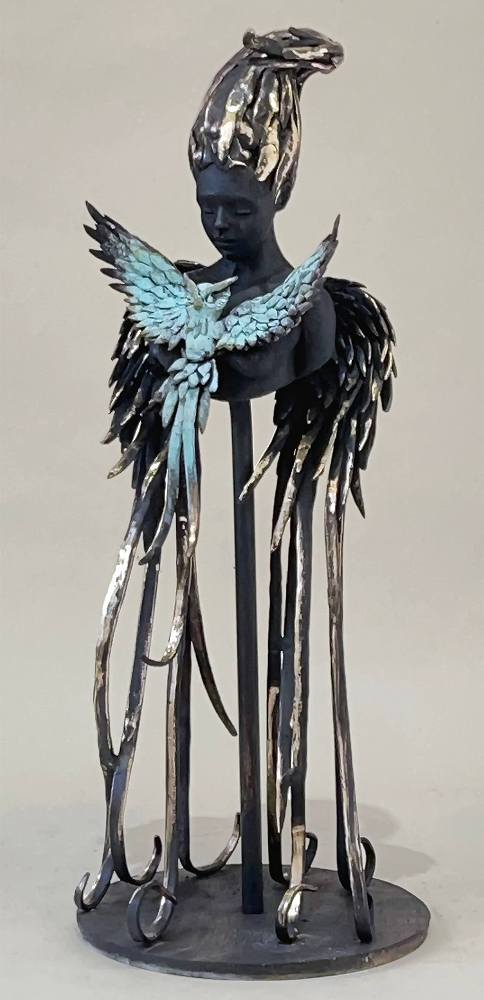
- Bronze: Heavy, durable, and rich in detail. Bronze sculptures are often created through lost-wax casting and finished with a patina that can range from warm brown to deep green.
- Marble and Stone: Timeless and substantial. White marble offers classical elegance; other stones introduce natural veining and color variation. Stone sculptures are best placed on sturdy surfaces.
- Wood: Warm, organic, and often showcasing the natural grain. Wood can be carved, turned, or assembled, and brings a tactile, earthy quality to an interior.
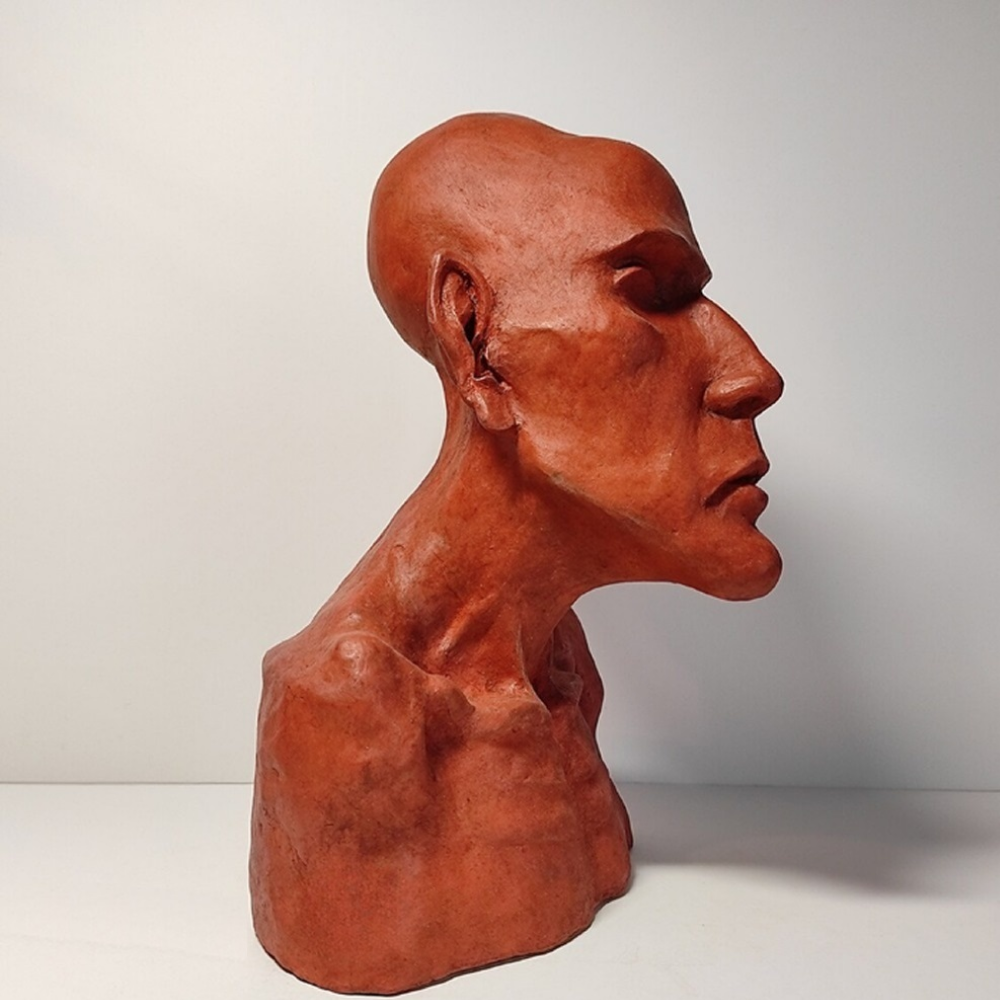
- Ceramic and Terracotta: Versatile and expressive. These materials can be smooth or textured, glazed or raw, and range from delicate to monumental.
- Resin and Mixed Media: Often more lightweight and allowing for greater formal experimentation, contemporary materials offer flexibility in both form and finish.
Understand the edition. If the work is a bronze or a cast sculpture, it may be part of a limited edition. The listing will indicate the edition number (e.g., “3/12”) and whether it is an artist’s proof (AP). A unique, one-of-a-kind piece will be described as “original” or “unique.”
Finally, understand the price and logistics. The listed price typically includes shipping but may not include customs duties or taxes depending on your location. Sculptures often require specialized crating and shipping, especially if they are large or made of heavy materials like marble or bronze. You can always add the work to your cart to calculate the total order amount. Remember that you can often make an offer—we recommend submitting around 80–85% of the asking price for a respectful negotiation.
Next, read the artist’s description. This section is essential. A thoughtful listing will tell you not only the dimensions and material but also the story behind the work. Look for details about:
- Technique: Was it carved, modeled, cast, or assembled?
- Inspiration: What themes, ideas, or narratives inform the work?
- Condition: Are there any imperfections? For bronze, patina variations are expected. For stone, natural veining or minor chips are often part of the material’s character.
Read the artist’s name and location—explore their profile to understand their broader practice. And if you ever need more information about a piece you love, contact our curators, who are happy to advise you throughout the purchasing process.
Evaluate with Expertise
When selecting sculpture for your interior, quality reveals itself through materials, craftsmanship, and finish. Understanding these elements helps you make a confident investment.
Bronze: High-quality bronze sculpture is typically created through the lost-wax casting method, which captures the finest details of the artist’s original model. Look for:
- Patina: A rich, nuanced patina is a sign of skilled finishing. Patina is not a flaw—it is a deliberately applied surface treatment that protects the bronze and gives it depth. Variations in color add character and warmth.
- Detail: Examine the texture. In a superior piece, you will see crisp definition in surfaces, edges, and forms. Soft or blurred details may indicate a lesser-quality cast.
- Base: Many bronzes are mounted on a marble or stone base. Check that the base is properly secured and complements the work.
Marble and Stone: Stone sculpture carries a sense of permanence. Look for:
- Material: Carrara marble is the classic choice, but other marbles, alabaster, limestone, and granite each offer unique colors and veining patterns.
- Finish: A fine stone sculpture will show deliberate choices in surface treatment—highly polished areas that reflect light contrasted with textured or tooled surfaces that create shadow and depth.
- Structural Integrity: Ensure there are no large cracks or repairs that compromise the piece. Small chips, natural veins, or age-appropriate wear are often acceptable and add to the authenticity.
Wood: Wood sculpture brings warmth and organic presence. Look for:
- Grain: The natural grain should be celebrated, not hidden. A skilled carver works with the grain to enhance the form.
- Finish: Look for smooth surfaces, clean lines, and a finish that protects the wood without obscuring its natural beauty. Cracks or splits should be documented and stable.
Ceramic and Terracotta: These materials offer expressive versatility. Look for:
- Surface: Glazes should be even or intentionally variegated. Crazing (fine cracks in the glaze) is normal in certain firing processes.
- Structural Integrity: Ensure the piece is sound, with no large cracks or unstable repairs. Small firing imperfections are often part of the handmade character.
Condition: Do not shy away from age-appropriate wear. A bronze with a naturally aged patina, a marble with minor surface marks, or a ceramic with small glaze irregularities can all be excellent acquisitions. The key is transparency: a reputable listing will provide a clear condition report.
Finding Its Place in Your Home
A sculpture transforms a room, but its impact depends entirely on placement. Thoughtful positioning turns a beautiful object into a focal point.
Consider Scale and Proportion: A sculpture should feel intentional in its setting. A small, delicate bronze can be overwhelmed on a large, empty console table; a monumental stone figure can dominate a modest room. Aim for balance. For tabletop pieces, consider grouping with books or smaller objects to create a composed vignette. For floor sculptures, ensure there is enough negative space around the piece for it to be viewed properly.
Think About Viewing Angles: Unlike a painting, sculpture is meant to be seen from multiple sides. Place it where you can move around it—in a hallway, at the end of a corridor, or in a corner that invites closer inspection. If the piece has a particularly interesting back or side, do not push it flat against a wall.
Lighting Is Everything: Sculpture comes alive through light. Directional lighting—whether from a nearby window, a track light, or a picture light—emphasizes texture and creates dramatic shadows. For bronze, side lighting brings out the depth of the patina. For marble, angled light reveals translucency and veining. For wood, warm light enhances the natural grain.
Create Dialogue with Your Interior: A sculpture does not exist in isolation. Consider how it interacts with other elements in the room—the texture of a velvet sofa, the roughness of exposed brick, the sleekness of a glass table. A classical marble bust can provide stunning contrast in a minimalist modern space. A rough-hewn wooden figure can bring warmth to a sleek, contemporary interior. The best placements create a conversation between the sculpture and its surroundings.
Practical Considerations: Sculpture can be heavy. Ensure that shelves, tables, and pedestals can support the weight. For floor sculptures, consider stability—especially in homes with children or pets. If the piece requires a custom pedestal or base, factor that into your timeline and budget.



Bringing sculpture into your home is an investment in beauty, presence, and daily inspiration. Whether you are drawn to the timeless elegance of marble, the tactile warmth of wood, or the expressive freedom of contemporary materials, taking the time to understand the listing, evaluate quality, and consider placement will ensure you find a piece that resonates with your space and your sensibility.
Sculpture rewards the patient collector. It changes with the light, invites conversation, and grows more meaningful with each passing day.